
![[VIP] Unlimited Pass 2026.03.27](https://i.pinimg.com/1200x/d2/f8/2e/d2f82e903b9ca33b0f13704cc85a3d8a.jpg)


![[LS] ls.graphics Pass 2026.02.16](https://i.pinimg.com/1200x/8d/ca/7f/8dca7ff72d8b698f955649340d0ff398.jpg)

![[PRO] Craftwork Pass 2025.06.11](https://i.pinimg.com/1200x/98/d2/f0/98d2f0169226b431f4727441ecc6aa06.jpg)


![[VIP] Creovo: Creative Portfolio](https://i.pinimg.com/1200x/92/5d/39/925d39b614ae4e39adda25b73837f82b.jpg)


![[VIP] Voltz: Electric Car Website Template](https://i.pinimg.com/1200x/03/ba/41/03ba41513483727fcd26b95349750783.jpg)
![[VIP] Zyra: Coded Chat AI Dashboard](https://i.pinimg.com/1200x/ce/7b/92/ce7b926f22423fc046659dfe1dd7a604.jpg)
![[$] AlignUI: Code Library](https://i.pinimg.com/1200x/8d/91/1c/8d911c0a22483842cff69c130e80c37b.jpg)
![[VIP] The Grid Deck Template](https://i.pinimg.com/1200x/f2/df/6d/f2df6d865d31ed4400ddd74137a5a79e.jpg)

![[VIP] Solaris: Sales Forecast & Pipeline Review Deck](https://i.pinimg.com/1200x/ba/7c/48/ba7c485ac40a51054cf9074aead204e2.jpg)
![[VIP] Brand Guideline Presentation](https://i.pinimg.com/1200x/64/87/a7/6487a7c4da21072150a1664f83a6a234.jpg)


![[VIP] 44 Device Mockups: Metal Scene Pack](https://i.pinimg.com/1200x/96/0c/c4/960cc4d39f6f9f08c4ba4a40ae740a65.jpg)
![[LS] iPhone 17 Mockup](https://i.pinimg.com/1200x/18/42/c1/1842c11e3da971765bdcfbc5315f3df8.jpg)
![[LS] iPhone 17 Pro Max Mockups](https://i.pinimg.com/1200x/f0/2a/72/f02a724ed9f52ac4a1c66b5614809111.jpg)
![[LS] AE-Mockups, Apple Devices](https://i.pinimg.com/1200x/03/04/9b/03049ba79acaa546ae6389639f89bcc1.jpg)


![[VIP] Volnitsa: BLNDR MINI (2025)](https://i.pinimg.com/1200x/c3/f7/0a/c3f70ae1126be5c0af1977e58b56ba7a.jpg)

![[VIP] React Three Fiber: The Ultimate Guide to 3D Web Development](https://i.pinimg.com/1200x/78/02/1f/78021ffdfc8113cc8caba5b2c563ead4.jpg)
![[VIP] Ryan Hayward: Ultimate Framer Masterclass 3.0](https://i.pinimg.com/1200x/48/d6/3f/48d63f9723d7c49e6c34c182557c7431.jpg)


![[VIP] Whoooa! 156 vector Lottie animations](https://design.rip/uploads/cover/blog/whoooa-156-vector-animations.webp)


![[VIP] Staff Product Designer (ENG, RUS)](https://i.pinimg.com/1200x/0c/52/a0/0c52a08d8b0a25329806437933cf538f.jpg)


The Future of UI Design past 2026
The future of UI is brighter than I thought.

The design landscape is splitting.
Violently, not gradually. AI didn't really replace designers in the end.
It separated those who design from those who assemble and those who are just clueless. The space got a little narrower, but way more condensed.
Like a laser.
And that beam is what will cut through the slop and uniformity and help projects stand out. This is the most important time to grasp it.
The competition is at an all time high. Partially in quality, greatly in quantity.
Until AI figures that emotional part out this path stands. So far it has struggled to do so, while eventually replacing many adjacent fields. I'm pretty sure that will happen too eventually, but likely not very soon.
This is the set of skills to rise above the rest.
That's because there's two main sides to UI design.
Structural, and emotional. And a lot of in-between.

Structural is systemic, so easy to copy. Emotional is unpredictable.
Design from the heart!
Before we get to manual UI vs design systems, let's think of it that way.
Structural work is easier to talk about online. Share in tutorials. Articles. Which makes it easier to parse and absorb by AI models. The probability of design = structural is extremely high. On most typical AI temperatures you will ONLY get that.
The emotional part is at the opposite end. It's hard to define. Hard to explain. It's illogical (hello 17px padding because 16px feels off!).
Most people designing things that way don't talk about it in detail either.
There's also a lot of data noise. Most designs not following the structure are just bad. Artworks at best.
The internet is full of what's easy to share. Guidelines with strict rules and a wiggle room around just switching a property. You want that button in a different color? Sure!
Trust me, I know. I wrote one of the most popular books on UI design in the world. One used by dozens of universities and thousands of people.
It focused on the structure. The measurable patterns and concepts that you can replicate easily because they make logical sense.
AI read that book too.

The more structure and logic, the easier to learn the rules of the game by a predictive system.
Structural gets replaced and automated. Emotional design is where the money is. I'll show you how I think this will unfold.
Structural design can be generative. It already sort of is, even when not fully there sometimes. It's the first thing to get fully automated though as I shared before in my death of design systems.
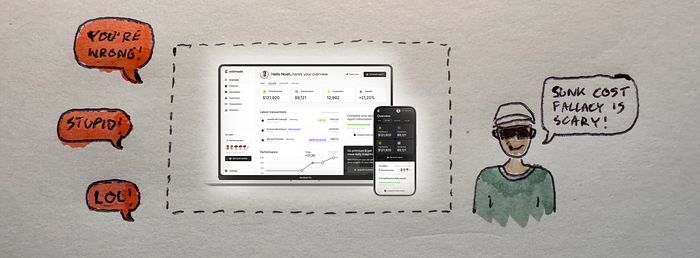
This got a lot of people angry!
The new era of UI design
The new era of UI design is human oriented. I previously mentioned that most businesses focused on functionality alone need nothing more than Tailwind or Shadcn.
The problem with this approach is that by 2030 over half of typical SaaS products will be embedded in (mostly) existing AI agents. According to Goldman Sachs:
Roughly 4 years from now, the agent portion of the software market could account for more than 60% of the total, shifting the profit pool away from traditional SaaS models toward agentic workloads.
That portion of the SaaS market is mostly the kind using design systems right now. It's natural to think, that design systems will be in decline by then as well if only 40% of an industry remains.

Slapps are in
The ability for anyone to "vibe-code an idea" has led to a new reneissance of mobile and web apps. Slop apps, or "Slapps" as I like to call them are everywhere.
They're driven by the pride of a non-technical person to release something, but in most cases lack awareness of the problem they're solving.
They also look the same and follow the same boring UX patterns, because the creators lack the skills to actually craft an experience. They just prompt for a result and it gets built based on the structural knowledge.
That's why we see similar colored borders, similar blue and purple gradients everywhere and even the same corner roundness in most of them. Don't get me started on Inter everywhere either.
If you don't know what you're doing and are unwilling to learn the basics of design or code, it's like pretending to be a musician by strumming random strings on a guitar and have an app turn it into actual chords.

We'll have abundance of identical ideas repeating identical patterns
SLOP apps looking the same will oversaturate the market and create fatigue in all b2c products. With 25 new Habit Trackers all looking the same, someone with an actually new idea and skill backed execution will win anyway.
Both of these paths are on the decline, leaving that narrow space in the middle.
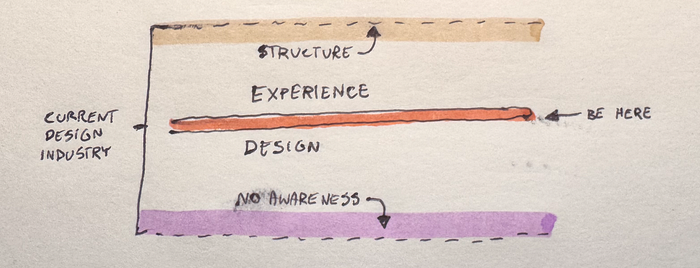
The time is for the narrow focus
Experience design is the laser beam
I purposefully dropped user from the mix. Breaking some of the patterns and originality is the last stand between the declining systems and increasing slop.
That requires new ways of designing. From direct, code prototyping, going back to paper design, all the way to crafting new interface paradigms. We'll get to those too, don't worry, as some are pretty farfetched.
Be the laser
One thing a laser beam definitely is, is focused. As I still work with clients and build my own products, I'm able to see what that focus means from both perspectives.
Let's start with overlaps.
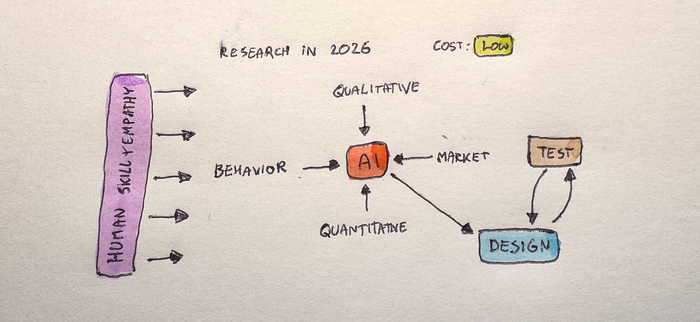
Research has to start with a clear human oversight, not asking AI what to ask. But then let AI parse it all.
Research is no longer optional
AI destroyed the cost barrier to research. UX research used to be dismissed as costly, especially when most UX patterns in digital products have already been established. Everyone just copies these ideas from everyone else.
Market research and communication still happened for successful products. Identifying the target market, the right features and so on never went away. But that's not really UX research. Many UX'ers simply added that into the bucket to feel important when actual UX research got shoved out the window.
Now that's no longer necessary. You can actually do proper UX research (and market research) all at the same time at a fraction of the cost.
Parsing thousands of user interviews, analyzing behavioral data, synthesizing qualitative feedback, it's worth to do it all. What once took weeks and high budgets now takes a day at most.
However, you still need to UNDERSTAND what you're looking for yourself. You still need to ask contextual questions that match the product you're working on. Generic, generated surveys won't cut it. You'll get generic answers and go back full circle.
Designers who skip research now have no excuse. The tools exist. The time exists. The budget is next to zero. Making design decisions without data is unprofessional. AI turned ux research from competitive advantage to a basic first step.
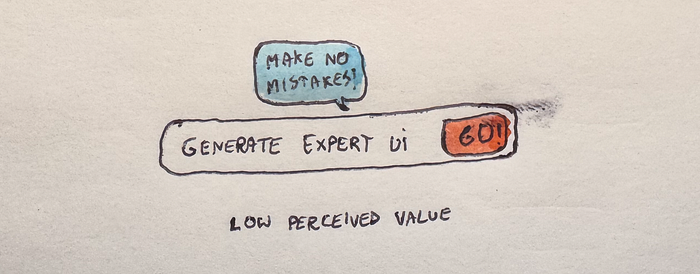
Generative AI signifies low effort
Distrust of low effort
Distrust of low effort has always existed. It just got amplified now. I still remember this client comment from 2007 when I delivered a black and white, minimalist, swiss-style grid design of a website:
Black text on a white background? Really? I can do that in Microsoft Word!
Now take that approach and place it in our current reality:
That much for a design? You probably just prompted some AI for it!
How do you prove you actually did the work and the customer is paying for your expertise and not a prompt you copied from someone online?
Easy. Show your work. Show the process, including the emotional aspects of it. Not only talk about how it works, but also how it feels. Especially in consumer apps, emotions will be a great differentiator.
Whether it's designing and coding, don't just focus on the end result. Do more around it. I'll talk more about it in the "back to reality" section.
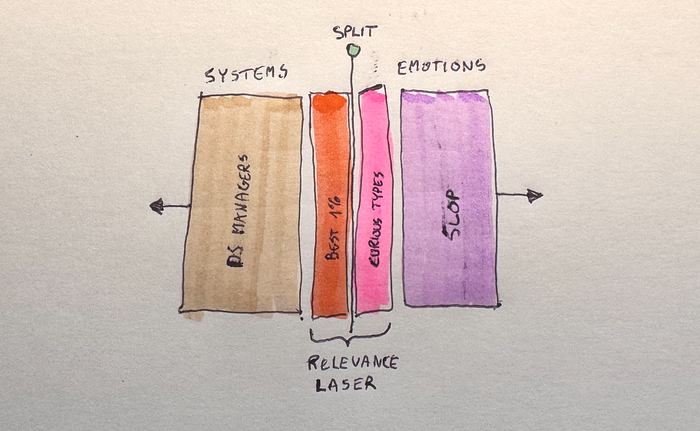
A small part of each side stays relevant, likely much smaller on the structural side.
The split
Two clear paths emerged between the structured and the slop. Let's talk about the one closer to the structure first.
Path One: The COBOL Trap
Have you heard of the COBOL programming language? Trust me, it's important!
COBOL is a language that runs the world's most crucial but boring stuff. Things like banking, credit card processing, insurance, government services, airline reservations.
It's also completely obsolete as a language. When newer, modern languages arrived, nearly everyone switched to them. But for big organizations the cost of switching was too high, so they stayed in COBOL. Rewriting those systems is risky and extremely expensive.
But almost no developers want to learn COBOL. So the incentive became insanely high pay for COBOL developers. They're one of the most elite, small groups in the world.
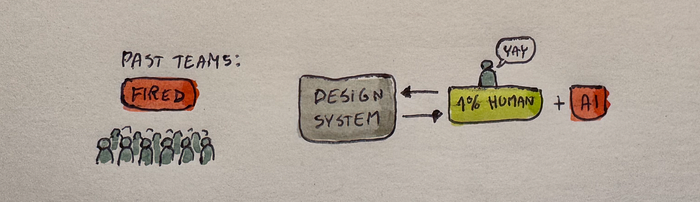
This sunken cost (into learning DS) is why most people in that branch are so angry right now.
This will be the design system future eventually.
If you want to work on design systems, simply be sure you're the top 1% of experts and you'll be just fine. The world needs structure and oversight of generative structure. But it doesn't need as many Design Systems people as there are now. It doesn't need Figma workflows, components and moving rectangles on a bitmap screen.
Design Systems won't go away, but design systems teams largely will.
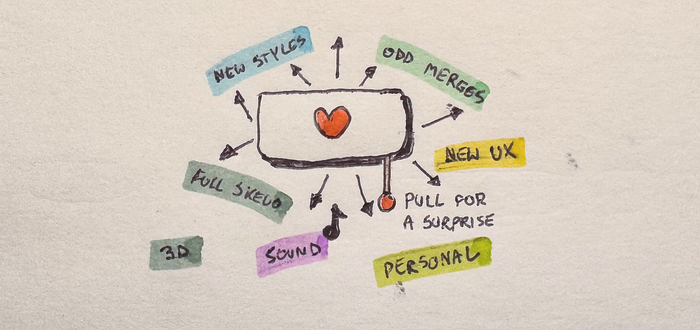
Path Two: Emotional and Delightful
Generic is dead and purely functional is insufficient. We had templates since early 2000's, yet most of those who succeeded made custom stuff.
Delight!
Do quirky, cool, fun concepts. That's the main moat against AI slop.
Users can smell generated design from a mile away.
They've seen Material Design iteration 3622. They've scrolled past another landing page with abstract geometric shapes and gradient blobs. They get nausea from every blue-and-purple gradient box.
The visual language of 2022–2025 is already dated because it's everywhere and it's mostly generated.
What breaks through is personality. Opinionated design. Breaking rules. Weird animations. Unexpected interactions. The stuff that makes users stop and think:
Hey, someone actually made this. Cool!
Skilled designers and devs are pushing boundaries through unique manual work while vibe coding the mundane parts. Like the duck mascot swimming to the side you tilt your phone.
These delight engineers are the people who invent. They understand that truly great UI requires breaking rules, using intuition, making decisions that don't compute logically. Weird paddings that don't follow systems.
Like a 17px padding in an 8 point grid because it feels good.
Hunches over logic in UI, interaction, layout, quirks. Emotions over structure. AI just can't.
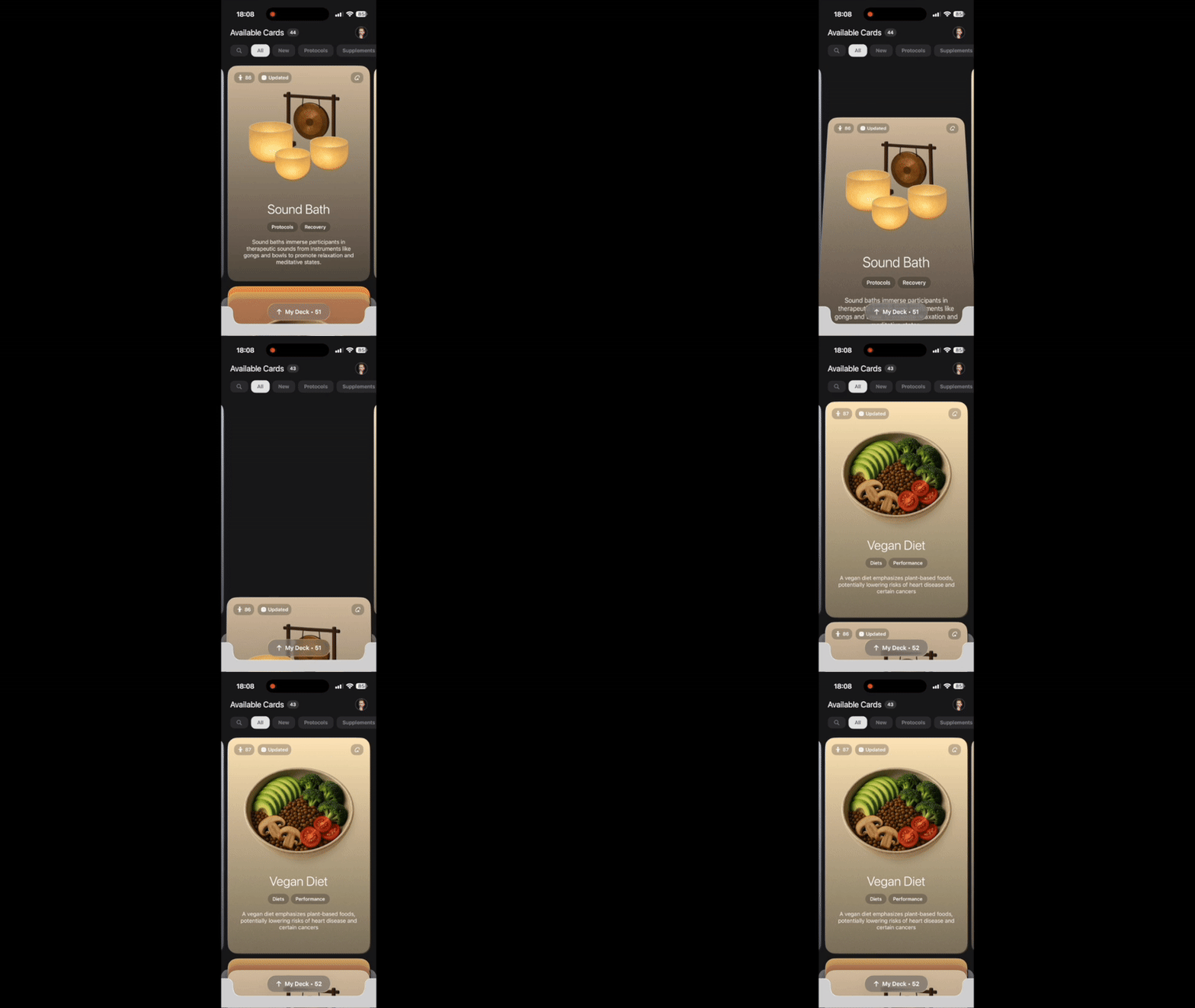
You can still come up with new, interesting UI paradigms that build on top of the old ones
Return to the dirty reality
Generated key visuals and image assets are approaching saturation.
People crave authenticity. Real photos of real people will surge in demand. Not polished stock photography, but actual humans in actual contexts. UGC social media campaigns are turning to AI generated "influencers". That will cause a temporary surge and then a huge pushback.
The uncanny valley isn't just about realism. It's about soul.
AI can generate technically perfect images. It can't generate genuine humanity. Smart people will lean into messy, real, unpolished visuals because they signal:
Hey, this isn't slop.
That doesn't mean you can't use AI to tweak images. It just means you need actual skills to do so tastefully. We mostly try to use real photos at squareblack. Then next in line is stock photos with manual edits. AI images are dead last.
I believe a lot of people generating apps right now have a strong emotional drive. They however lack the skills to make that emotion sticky.
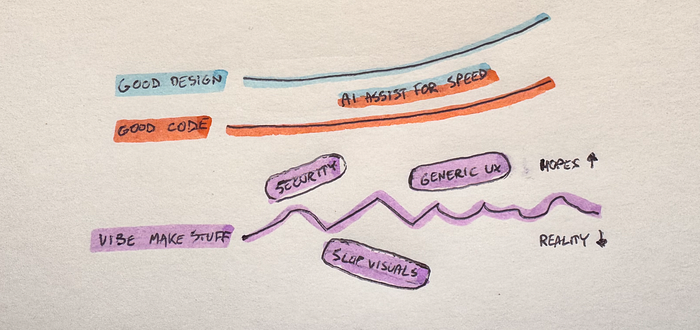
Skills Still Win
AI will eventually catch up to quality UI design. Eventually. But it's not there yet.
Not for the work that matters. We can use that to our advantage.
Truly excellent interface design requires bending reality. It requires hunches that don't parse as logical steps. It requires knowing when to break your own rules. AI operates on patterns and probability. Next level design operates on intuition and courage.
That doesn't mean you need to break all the rules. They exist for a reason.
Skills aren't threatened. Mediocrity is threatened.

Design is not in the tools. It's all in your head.
Tool Agnosticism: Design happens in your head
Tools die. Macromedia Freehand. Flash. Fireworks. InVision. The graveyard is full of "industry standard" software that's now obsolete.
I worked in all of them. Loved them. But I get it now.
Designers who built their identity around a specific tool get buried with it. If you like Figma so much, you might as well follow it to its grave. Designers who understand principles survive and thrive.
A good designer can design in Figma, on paper, using lego blocks, in a conversation, or with a stick in the sand. On a napkin in a coffee shop.
Obsessions make you blind to solving problems, because you have the sunken cost of learning figma workflows and shortcuts. You NEED them to be viable because it hurts to switch.
Lose that mentality.
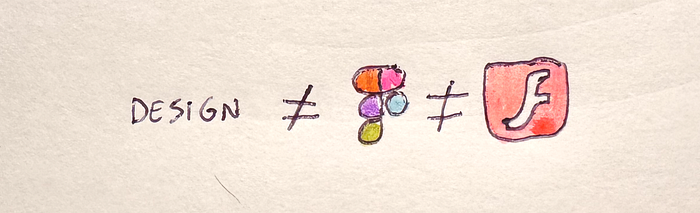
Tools come and go. Design stays.
The tool is not the skill.
It is temporary infrastructure for externalizing what's already in your head. True design happens before you open any app.
It's in understanding problems, some empathy, conceptualizing solutions, making structural decisions. Connecting dots that are on different pieces of paper. Coloring outside the lines.
If your entire design process requires a specific tool, you don't have a process. You have a dependency. Or an addiction in some cases. That's unhealthy.
Tool-agnostic designers can switch platforms in days. Tool-dependent designers panic when their software sunsets or gets acquired. One group adapts. The other begs for support or throws angry fits.
Every time I criticized Figma I got backlash from people who put their entire career into a single tool.
The best designers treat tools like disposable cameras. Use what's available. Don't fall in love. When something better emerges, migrate without attachment. Your value isn't proficiency in Figma or Sketch or whatever replaces them in 2028. Your value is understanding hierarchy, flow, visual weight, user psychology, interaction patterns.
Innovation is your moat. The ability to UNDERSTAND things.
Those concepts predate digital tools. They'll outlive them too.
So learn tools but master principles. They transcend the former.
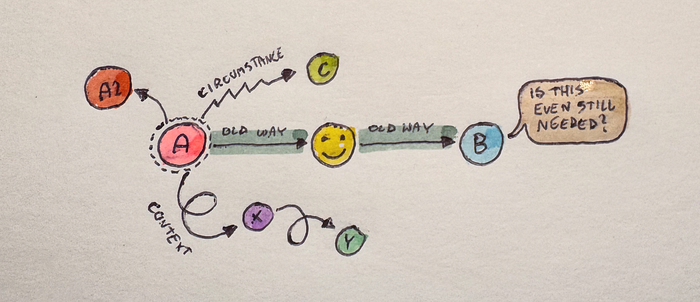
Happy paths are being disrupted, but won't be completely gone
The death of the happy path?
Static interfaces are dying. The happy path becomes a fork in the road with both prongs going through a scary boring forest.
The "Happy Path" is that carefully crafted sequence of screens from A to B. From task to solution. It assumed every user thinks the same way. They don't.
For decades, designers built one-size-fits-all flows. Menu structures. Navigation hierarchies. Pre-determined button placements. Every user got the same interface regardless of context, behavior, or intent.

Everyone eventually loses to Jakob's Law. Unless…
Steve Jobs nailed it when talking about industrial design:
…They all have these control buttons that are fixed in plastic and are the same for every application. And what happens if you think of a great idea six months from now? You can't run around and add a button to these things. They're already shipped. So what do you do? It doesn't work because the buttons and the controls can't change. They can't change for each application, and they can't change down the road if you think of another great idea you want to add to this product.
For a short while of digital interface we were almost there, then reverted to interfaces being "stuck in plastic" too. Jakob's Law in full effect to decrease cognitive load. But at a cost of sameness and apathy.
That model is partially collapsing.
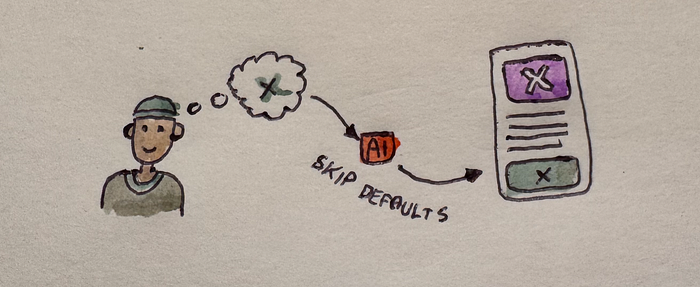
AI predicts your need and generates the required UI on the fly
Generative interfaces?
There's talk of fully generative interfaces in design circles. It's an UI that synthesizes in real-time based on user actions. Not pre-designed screens. Not fixed navigation. Dynamic, contextual interfaces that adapt structure based on who you are and what you're doing.
LLM's demonstrated that interfaces can be conversational. Generated on demand rather than pre-built. But the current "AI chatbox" approach is transitional. Slapping a chat window onto legacy software is not a solution. It's like adding a touch screen on a fridge. Sure. You can. But why?
It assumes a future of an AI-system. Not necessarily a chatbot, but something adaptable and predictive.
Anticipatory design can replace some reactive design. Interfaces won't wait for your actions. They'll surface tools based on environmental context and historical behavior. The UI predicts what you need before you ask.
In a way that somewhat happens now. Every morning when I launch my smart scale app, Apple actually recommends it to me on the "Apps widget" because it knows I only use it in the morning.
This is only half of the story, as I don't believe generative UI's will fully take over, but they will be more present for sure.
Their emergence fundamentally changes what designers do. We're no longer designing screens. Which remind me that back in 2009–2013 I sold app design at a "per screen" cost.
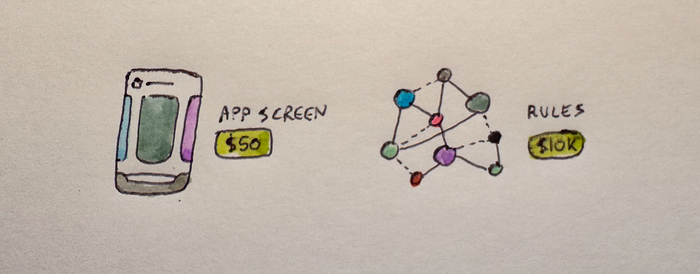
I designed hundreds of $50 screens back in the day.
Now we're designing logical sets of rules, conditions, contextual triggers. The interface becomes a byproduct of intelligent planning and adaptation rather than manual layout.
Morphing interfaces that restructure themselves based on user intent aren't futuristic concepts. It's not some minority report stuff with waving your hands in the air and moving holographic objects from stack to stack.
They're one of the next phases. Designers who understand this will start to build adaptive systems.
Designers stuck in static screen thinking around systems will get obsolete if they fail to add the delight.

All my client projects begin on paper. The entire process is sketched out first.
Proof of work
I mentioned it's worth proving to clients (in client work) and to your audience (in product building) that it's more than a prompt.
I design on paper.
I sketch in my notebooks daily. I Document iterations. Show messy explorations. Physical stuff proves human labor. It justifies premium pricing. Rebuilds trust.
Yes, I use AI in my work. But I use it based on creative explorations, analog idea searches. It's a much broader spectrum than just typing things into a box.
If your design process is invisible, you're competing with $5 Fiverr prompt pack "designer".
If your process has visible steps, you're selling expertise.
Process transparency isn't a nice to have anymore.
These are my five main reasons to come back to paper big time!
- Neuroplasticity. You get more creative when you break regular rough sketching with calm coloring, I often come back and add ideas after first round of color. Highlighters aren't just for aesthetics.
- By being away from screens you're forced to think more deeply about a problem you're solving instead of jumping right into a tool you know and "following protocol". Many designers end up going on autopilot and applying tried and tested solutions quickly, kind of like AI does it. This differentiates your whole thought process from the ground up.
- Clients understand there is a whole process behind what you do and you're not "just prompting some AI".
- It also makes for great, rich case studies later.
- And it just looks cool! ;)
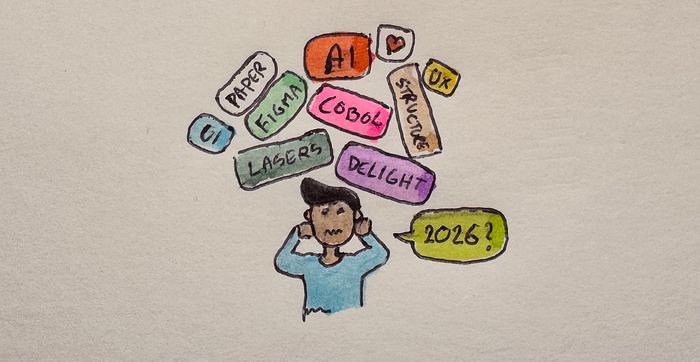
What all this means for you
Whether you're a designer, developer, startup founder, or a non-tech person vibe-coding their first groundbreaking app, the landscape is shifting. Don't let it get out from under your feet.
If you're building design systems exclusively: pivot or prepare for irrelevance. Or get to the top 1%.
If you're generating cookie-cutter interfaces: you're competing with automation. If you "cook" with AI images and tasteless messaging in italic fonts you'll lose this game.
If you're crafting unique experiences, bending rules, and showing your process: you're positioned for the split. Ride that laser like a wave.
AI will eventually make it thinner and thinner, but being in that spot now means you'll have plenty of time to adapt constantly and stay on top.
The future isn't AI vs Designers.
It's still high skill designers using AI to amplify craft vs everyone else being replaced by it. Or developers. They often have a good sense of design too.
The split already happened. Which side are you on?
PS. All smudges on the drawings were not edited out to show the process can and should be dirty. I draw because I care.
What's Your Reaction?
 Like
0
Like
0
 Dislike
0
Dislike
0
 Love
1
Love
1
 Funny
0
Funny
0
 Angry
0
Angry
0
 Sad
0
Sad
0
 Wow
0
Wow
0


